Rollei Infrared – Black and white photography beyond the visible
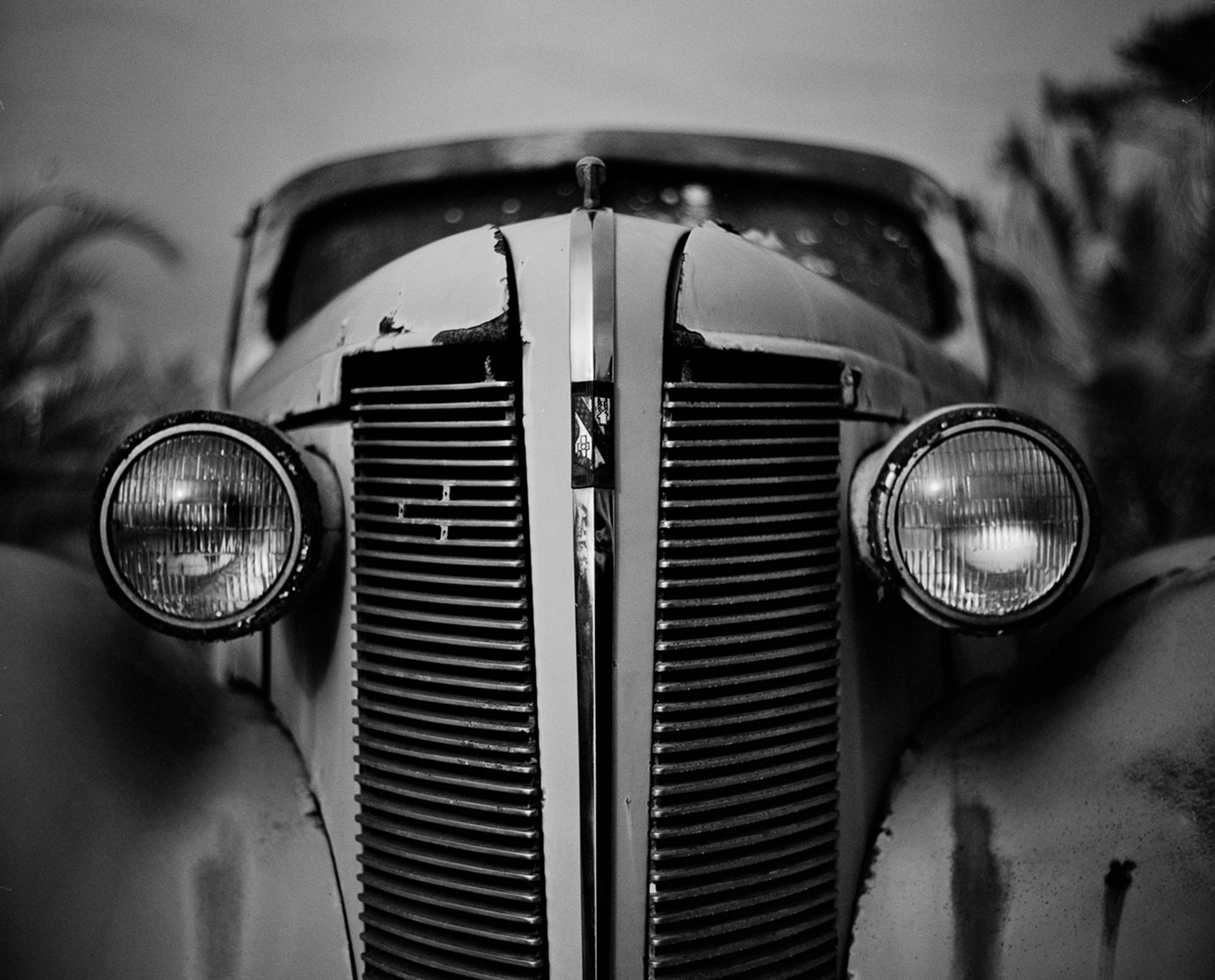
Rollei Infrared is more than a film—it’s a tool for capturing a world unseen by the human eye. With its sensitivity to the near-infrared spectrum, it opens up creative possibilities that lie between reality and dream. Whether surreal landscapes, luminous vegetation, or experimental portraits—this film creates a look that’s radically different from the usual.
What makes infrared photography so special?
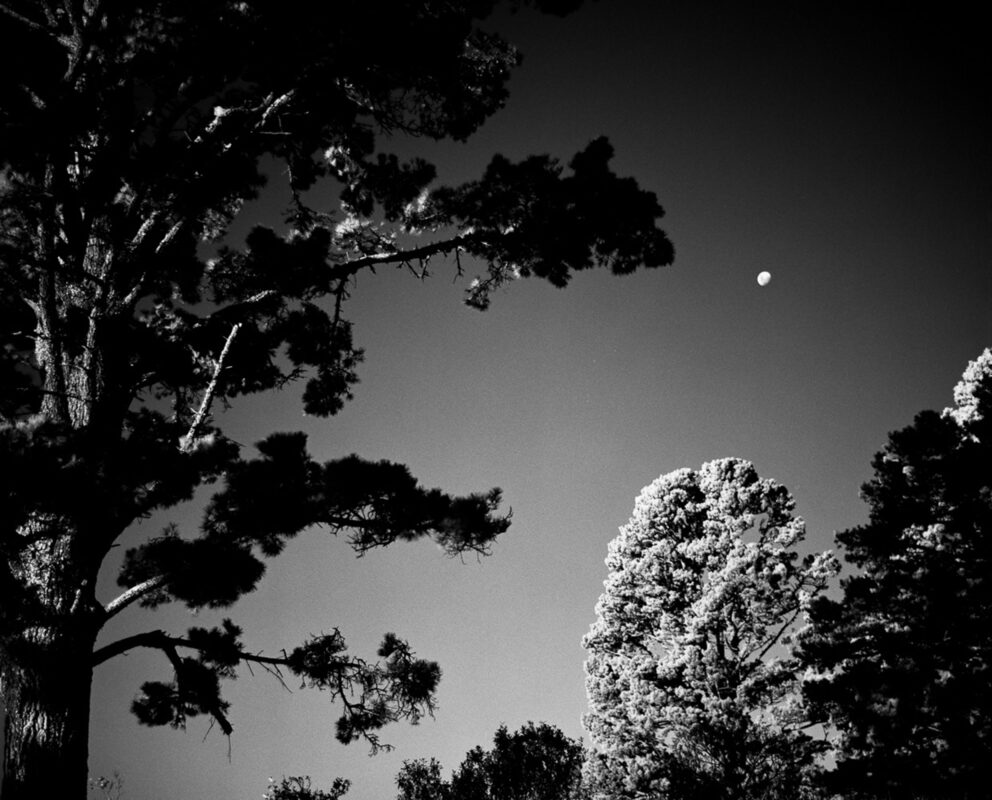
Infrared films react to light waves beyond the visible spectrum—especially the light strongly reflected by green foliage. This creates bright, almost white trees and plants, while the sky appears pitch-black. The contrast between light and dark is dramatically enhanced.
Features of the Rollei Infrared
- Nominal sensitivity: ISO 400 (without filter)
- IR sensitivity: up to approx. 820nm
- Grain: Fine to medium
- Suitable for: 35 mm and roll film (120)
- Carrier: classic, easy to process
How it works – 4 steps to an infrared image
The right filter: Only with an IR filter—e.g., a Hoya R72 or Rollei IR filter—can you block visible light and achieve the typical IR effect. Without a filter, the film remains a normal black-and-white film with good contrast.
Adjust exposure: The filter reduces the effective light sensitivity to ISO 6–12. This works best with exposure bracketing and a tripod. An external light meter is helpful.
Adjust the focus: IR light refracts differently than visible light. Many lenses have an infrared marking. Adjust the focus slightly manually.
Development: The Rollei Infrared can be processed flexibly:
- Rodinal: high sharpness, hard contrasts
- D-76 / ID-11: classic, balanced
- Rollei Supergrain: modern fine grain solution with good tonal reproduction